

The Low Sun, Silent Soil, and Walnut’s Last-Minute Heist
There is a moment in late autumn when the allotment shifts its weight.
November 3, 2026
There is a moment in late autumn when the allotment shifts its weight. The frantic, sweaty rush of the summer harvest is long gone, replaced by a quiet, crisp magic that makes you want to pull your woolly jumper just a little bit tighter around your shoulders.
I absolutely love autumn. I love the grand finale of it all, how the leaves on the perimeter trees put on their final, spectacular show, shifting into deep coppers and fiery golds. Watching them sway and dance in the sharp autumn breeze is hypnotic. Lately, the sun has hit that beautiful, low point in the afternoon sky, casting a long, amber light across Plots 121 and 122 that makes the whole landscape look as though it’s gently on fire. The cold air has started to nip at the skin now, a clear, frosty warning that Jack Frost is hiding just around the corner, eagerly waiting to nip at our noses.
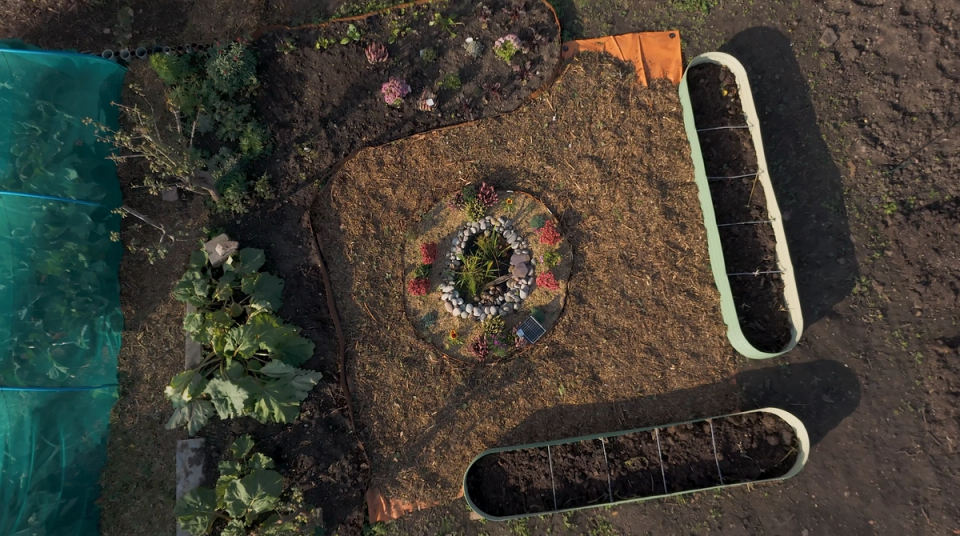
Walking down the woodchip paths right now, the allotment feels entirely different. On the surface, the ground has fallen completely silent. The bare soil looks asleep under its winter blankets of compost, but if you know where to look, you know that deep down the earth is fiercely alive. Beneath the surface, a hidden metropolis is bustling. The soil microbiomes are working overtime, and our subterranean army of worms are doing their thing, happily eating away, recycling nutrients, and priming the no-dig beds for next year's roots.
ALLOTMENT OBSERVATION: THE TWO FACES OF NOVEMBER
- Above Ground: Surviving summer blooms, swelling winter brassicas, low amber light.
- Below Ground: Massive worm activity, active microbiomes breaking down organic mulches.
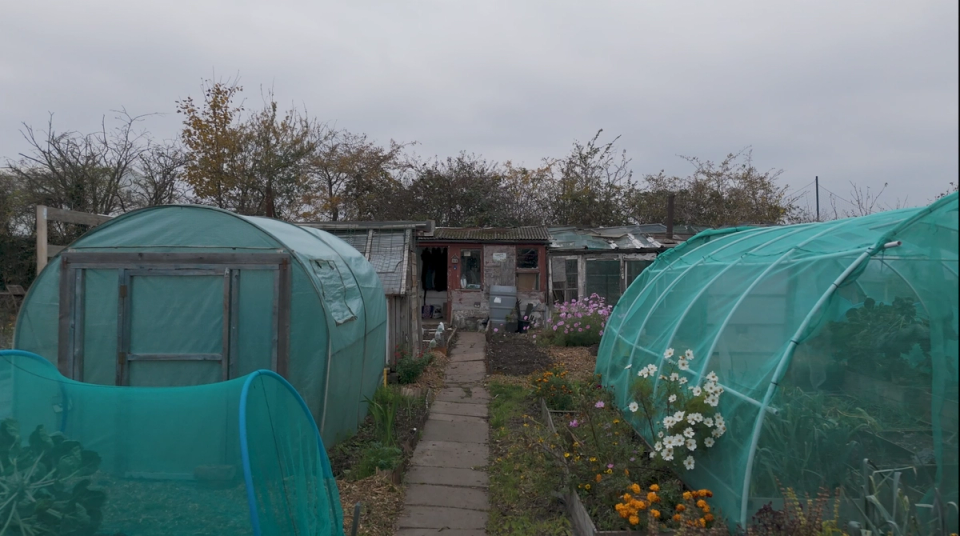
Wandering around the plot in November has a completely different weight to it compared to the chaotic buzz of midsummer. You can still spot a few stubborn summer flowers clinging to the edges, blooming and trying their absolute hardest to survive the turning of the year. But you can tell the cold nights are nipping at their heels; their petals are tired and ready for winter sleep. Meanwhile, the hardy winter vegetables are stepping into the spotlight. Winter cabbages and Brussels sprouts swell beautifully, making their mark in their beds. There's a secret joy in knowing that when Jack Frost finally arrives, his freezing touch will actually bring these vegetables alive, locking in those sugars and unleashing a sweetness and flavour that will make any winter-warmer meal absolutely pop.
But let's be honest, autumn isn't all fluffy and warm like a bunny’s tail. There is a bittersweet edge to this season. The night sky draws in so incredibly quickly now that sneaking down to the plot after the working day is done has become a real battle. It breeds a deep longing for the weekend to arrive, just to have your hands back in the damp ground, or even to enjoy a casual stroll around the wildlife pond.
There is nothing quite like sitting on the bench with a steaming, warm cuppa, completely still, listening to the chatter of the hedgerows and watching the garden birds flutter and dart around the bare branches. And then, out of the corner of your eye, you catch him. Walnut. The local squirrel, completely frantic, trying to sneakily smuggle that one last nut away into the undergrowth before it’s too late.
As much as I deeply love the cosy, crackling romance of the autumn shift, a part of my heart is already longing for the spring to arrive. There is comfort in knowing that this silence is temporary. Before very long, the Nottinghamshire clay will wake up, the ground will be bursting with fresh green life again, and the air will be filled with the joyous, steady buzzing of the bees. But until then, we embrace the frost, we feed the soil, and we let the plot rest.