

The Unseen Battle of the Common Aphid
If you spend enough time sitting in the doorway of the Homestead, watching the summer sun warm the glass greenhouses, you begin to realise that the allotment isn't just a place where vegetables grow.
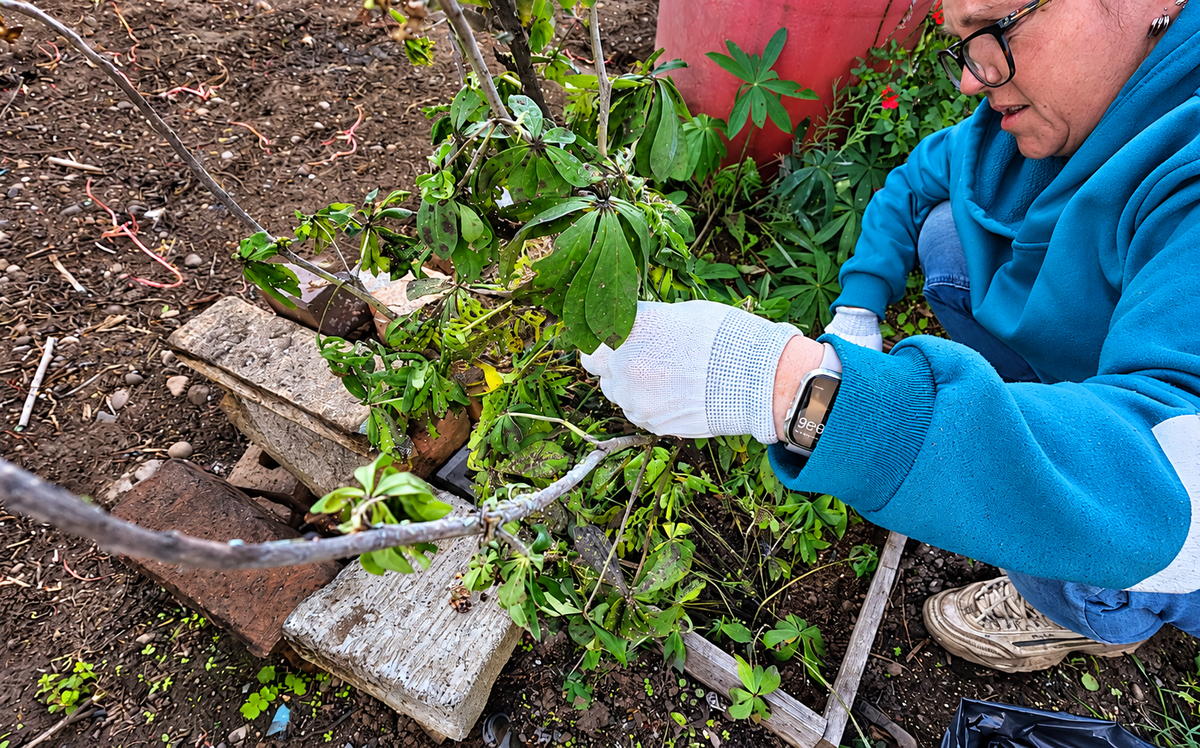
June 2026
If you spend enough time sitting in the doorway of the Homestead on plot 121, watching the summer sun warm the glass greenhouses, you begin to realise that the allotment isn't just a place where vegetables grow. It is a bustling, complex green metropolis. Every leaf is a roof, every stem is a highway, and beneath the canopy of our prized crops, an ancient war is constantly being waged.
Enter the ultimate allotment villain: The Aphid.
ENEMY PROFILE: THE APHID
- Size: 1mm to 7mm of pure, sap-sucking trouble.
- Wardrobe: Yellow, pink, ghostly white, and slate grey.
- Aliases: Greenfly, Blackfly, Plant Lice, and Woolly Aphid.
- Territory: Over 500 species across the British Isles.
Oh my, what an absolute pain they are. Whether you are dealing with a localised swarm of jet-black bean aphids or the eerie, fluffy blankets of woolly aphids on the old apple trees, these tiny creatures have the power to break a gardener's heart overnight. They are the most common pest on any plot, and if left unchecked, they will happily turn your thriving paradise into a sticky, distorted mess.
The Anatomy of an Infestation: Sucking the Life Out of the Plot.
To defeat your enemy, you have to understand how they operate. Aphids don't chew your leaves as slugs do; instead, they use microscopic, needle-like mouths to pierce the plant's stems and suck out the sugary sap. This constant draining causes the plant to lose its vital vigour.
As they feed, they excrete a sticky, sweet substance known as honeydew, which coats the foliage. Almost all plants are susceptible. When the weather warms up in spring and summer, the outdoor colonies explode into life. If you have a greenhouse or a polytunnel, the shelter creates a cosy, never-ending cycle where they can breed all year round.
While some species are incredibly picky, like the specialist brassica aphid or the vibrant Lupin aphid (Macrosiphum albifrons), others are completely opportunistic, moving from weed to vegetable without a care in the world. They cause stress to our crops, drop our potential yields, and act as vectors for plant viruses that can ruin a whole season's hard work
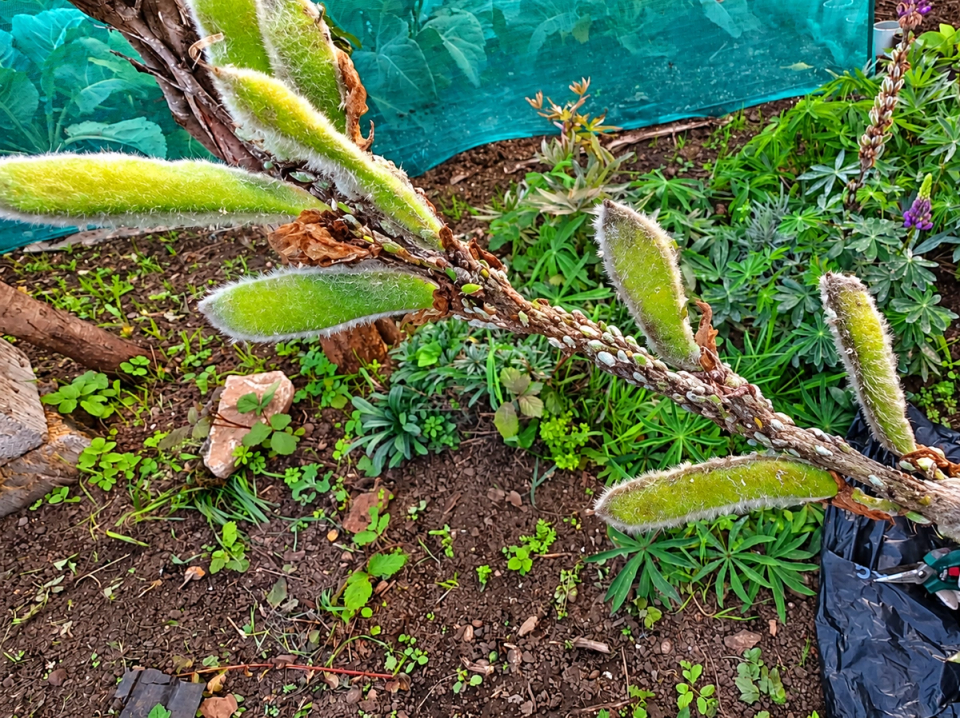
THE CHRONICLES OF INFECTION: SYMPTOMS TO WATCH FOR
- The Naked Eye: Clusters colonising soft shoot tips and flower buds.
- The Curl: Leaves stunting, distorting, and folding in on themselves.
- The Glaze: A shiny, sticky coat of honeydew over everything.
- The Ghost Skins: Piles of white, cast-off skins littering the stems.
The Little Terrors: The Secret Alliance with Ants
One of the most fascinating and frustrating elements of the aphid saga is the unexpected appearance of ants. If you notice a frantic highway of ants running up and down the stems of your broad beans or fruit trees, you aren't looking at two separate problems. You are looking at a highly organised crime syndicate.
THE ALLOTMENT MAFIA: HOW ANTS FARM APHIDS
Ants absolutely love the sweet, sticky honeydew that aphids excrete.
To secure a constant supply, these little terrors act as security guards. They will physically attack beneficial predators like ladybird larvae, shielding the aphids from harm.
They will even 'farm' them, moving aphid eggs into their underground nests over winter to keep them warm, then carrying them back up to your crops in spring.
The Golden Rule: The Ecosystem Must Balance
When you find your prized runner beans covered in a thick blanket of blackfly, your first instinct is to panic. You want them gone, and you want them gone now. But here is the great truth of the traditional cottage allotment: We must tolerate them where possible.
Aphids are a vital, foundational link in the country food chain. They are the primary food source for a whole army of beneficial insects, birds, and garden wildlife. A completely pest-free allotment isn't a healthy plot; it's a sterile one. To keep our 800 square yards of land balanced, we have to allow a few aphids to exist so that our local ladybirds, lacewings, and hoverflies have something to eat.
However, if you find yourself with an explosion that nature simply cannot handle, there is one golden, unbreakable rule: DO NOT use chemical pesticides.
Spraying bugs with store-bought chemicals is like dropping a bomb on a village to catch a single thief. It wipes out the beneficial predators, ruins the intricate biodiversity of your soil, and poisons the very bees we need to pollinate our fruit trees. Instead, we use our heads, our hands, and the natural properties of the plants themselves.
The Allotment Armoury: Natural Methods That Work
- The Manual Blitz: Check your plants regularly, peering deep into the little nooks, crannies, and growing tips. Put on a pair of trusty gardening gloves and use your finger and thumb to physically squish the colonies. It’s messy, but it’s instant and effective.
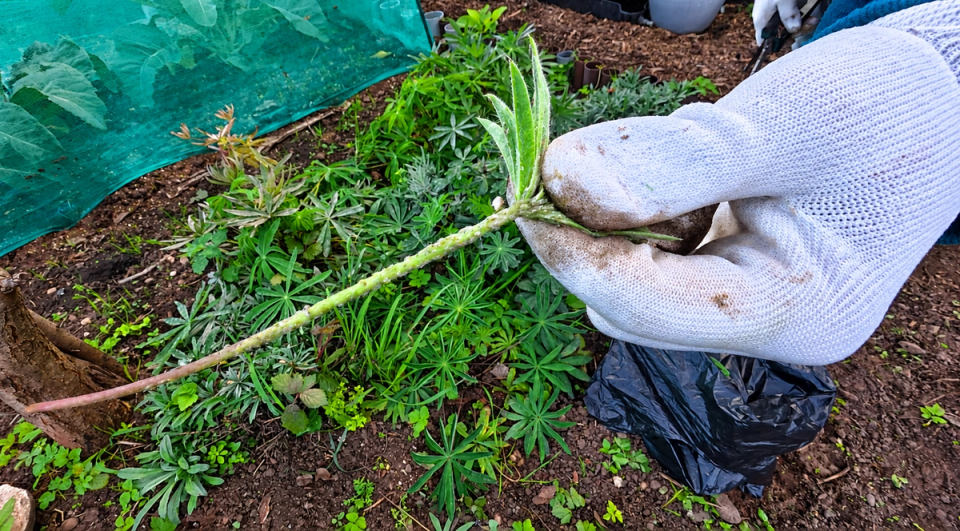
- The High-Pressure Hose: A sharp, strong jet of cold water from the hose or a pressure sprayer is often enough to blast aphids right off the plant. Once they are knocked down into the soil, their fragile bodies struggle to crawl back up, leaving them vulnerable to ground beetles.
- The Cavalry: You can introduce biological controls by buying ladybird larvae or predatory midges from reputable sellers, releasing them directly onto the worst-hit areas.
THE COTTAGE COMPANION DIARY
- Roses & Thyme: Plant aromatic thyme around the base of your bush roses. The intense herbal scent helps mask the sweet smell of the opening rose buds, confusing the winged scout aphids.
- Beans & Nasturtiums: The ultimate trap crop. Plant bright nasturtiums alongside your runner and French beans. Aphids find nasturtiums irresistible; they will swarm the flowers, leaving your bean pods clean and easy to manage.
- The Insectary Border: Dedicate corners of your beds to Lavender, Wormwood, and Fennel. These aromatic plants act as natural magnets for the specific hoverflies and lacewings whose larvae can eat hundreds of aphids a day.
The Circle of Life: Wings, Winter, and Whims
The secret to the aphid's success lies in their bizarre, almost alien life cycle. For most of the spring, an aphid colony consists entirely of wingless females. In an incredible feat of nature, these females don't need a mate—they give birth to live clone copies of themselves, who are already pregnant when they are born. This is why a clean plant can look completely smothered within a matter of days.
But what happens when the food runs out?
THE MIGRATION TRICK
When a plant becomes too crowded, or its leaves begin to toughen and dry up, a biological switch flips inside the colony.
The next generation of aphids suddenly develops wings.
These airborne scouts take to the summer breeze, hunting for fresh, succulent foliage further down the avenue.
As autumn rolls in and the days begin to shorten, the aphids change strategy again. They lay hardy, weather-proof eggs on winter host plants, usually rustic shrubs or trees where they can sleep safely through the freezing frosts. Then, as the pale April sun warms the earth of the allotment once more, the cycle resets, the eggs hatch, and the great green dance begins all over again.
Reclaiming a wild plot means accepting that we don't own the land; we share it. By putting down the chemicals and picking up a handful of nasturtium seeds, we can grow incredible food while keeping our little corner of the world wild, safe, and beautifully whole.
Treatment
You'll need
A clean spray bottle or hose pipe
Clean water
An affected plant
Gloves
Method
Step 1: Fill your spray bottle
Fill a clean spray bottle with approximately 500 ml of tap water. Use room-temperature or cool water rather than hot water.
Step 2: Spray the affected areas
Spray the aphids directly, paying particular attention to the undersides of leaves, where they often congregate. A firm but gentle spray helps dislodge them.
Step 3: Check your plants
Inspect the plants again after spraying. Remove any heavily infested leaves if doing so won't damage the plant, and check for any remaining aphids.
Step 4: Repeat if necessary
Check your plants every couple of days. Repeat the treatment if aphids return, taking care not to overwater the soil.
Safety & tips
Encourage ladybirds: Both adults and their larvae feed on aphids.
Attract hoverflies: Grow flowers such as calendula and alyssum to provide nectar and pollen.
Avoid excessive feeding: Too much nitrogen can encourage soft, aphid-prone growth.
Don't aim for a completely pest-free plot: A small aphid population can provide food for beneficial wildlife.
Final thoughts
THE GRANDAD CHRONICLES: GENERATIONAL WISDOM
Companion planting isn't a new-age gardening trend; it is something
that my grandads did on their plots, and their dads did before them.
Stepping away from chemical bottles and using nature to balance nature
is probably the single most beneficial, time-tested way of managing
the delicate ecosystem on an allotment.
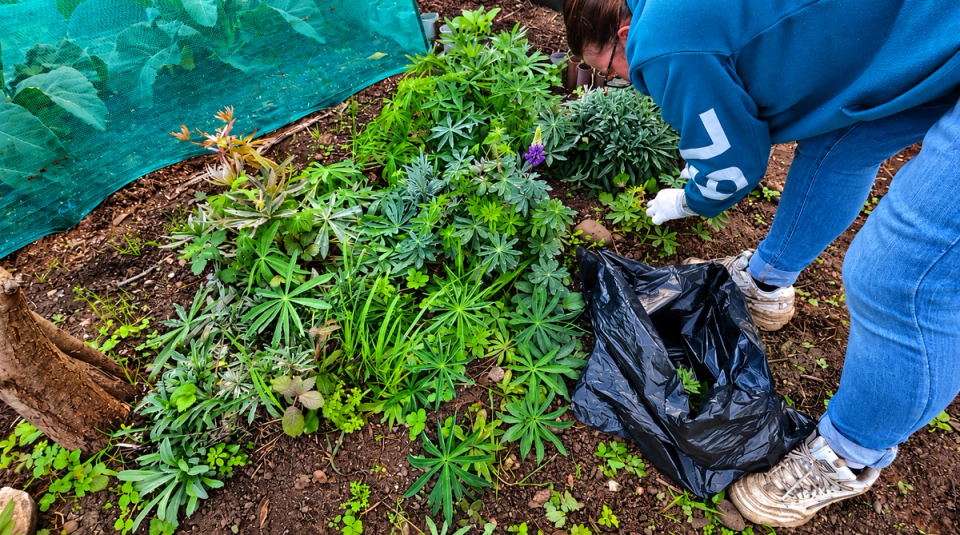
The Tactical First Response
When it comes to managing aphids, a sharp, strong jet of cold water from the hose or a pressure sprayer is a fantastic first line of defence. Water can physically dislodge aphids instantly. Once they are knocked down into the soil, their fragile bodies struggle to crawl back up, leaving them vulnerable to ground beetles. It won’t prevent them from returning permanently, which is why regular weekly inspections are so important. For well-established colonies, don't be afraid to get stuck in by hand or prune away badly affected shoots entirely to give the plant a fresh, fighting start.
THE HOMEMADE SPRAY TRAP
Be incredibly careful with 'internet remedies' for garden sprays.
Avoid adding washing-up liquid, vinegar, or essential oils to your homemade water mixes.
While they sound natural, these harsh ingredients can strip the protective, waxy coating from your plant's leaves, causing severe chemical scorch, and they can easily harm the very beneficial insects we are trying to save.
Our allotment takeaway
At the end of the day, pest control doesn't have to involve expensive store-bought products, toxic plastic bottles, or harsh chemical treatments. A simple, sharp spray of water, a strategic row of traditional companion plants, regular checks, and a little bit of trust in nature can go a very long way toward keeping aphids under control.
As caretakers of Plots 121 and 122, our ultimate aim isn't to create a clinical, artificial space by eliminating every single bug. Our job is simply to keep our plants healthy, resilient, and strong, while allowing the beautiful, beneficial local wildlife to thrive right alongside us.